Cat Breeds, Cat Care, Cat Training
Persian Cat Breed Profile, Characteristics & Care
Mar
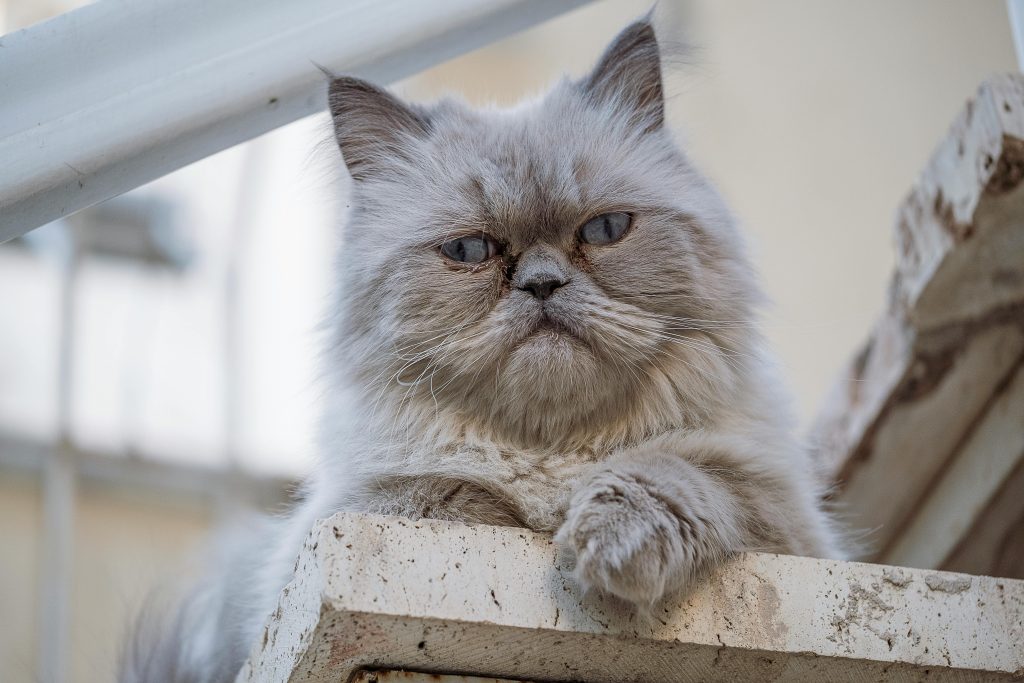
Persian cats are a popular breed of domestic cat known for their long, luxurious coats and sweet personalities. Originating from Persia (now Iran), the Persian cat is one of the oldest breeds of cats. They have been selectively bred for centuries to develop their distinctive features, making them one of the most recognizable and beloved breeds in the world. They make excellent pets for those who are willing to provide the necessary grooming and attention.
When it comes to personality, Persian cats are known for their quiet, sweet disposition. They are affectionate and enjoy spending time with their owners, but they can also be independent and enjoy alone time. These cats are generally not very active and don’t require a lot of exercise, but they do enjoy playing and interacting with their owners.
Breed Profile
If you are interested in the Persian cat breed, it’s important to know their history and origin. This will give you a better understanding of their characteristics and needs.
The Persian cat is an ancient breed with a long and rich history. They originated in Persia, which is now known as Iran. The exact time and place of their origin are unclear, but it is believed that they have been around for hundreds of years if not thousands.
Persian cats were highly valued in ancient Persia and were often kept as pets by royalty. They were also used to catch rodents in homes and businesses. Persian cats were so highly regarded that they were often given as gifts to other countries and rulers.
The Persian cat was introduced to Europe in the 17th century and quickly gained popularity. Queen Victoria of England was a big fan of the breed and had several Persians in her household.
In the late 1800s, the Persian cat was brought to the United States. They quickly became a popular breed and were recognised by the Cat Fanciers Association in 1906.
Selective breeding has led to the development of different types of Persian cats, including the Himalayan and Exotic Shorthair. Today, the Persian cat remains one of the most popular breeds in the world.
Breed Characteristics
Persian cats are known for their unique appearance and calm temperament. Let’s learn more about their defining features, size and weight, and coat varieties of the Persian breed.
Defining Features
The Persian breed is easily recognisable due to its flat face and full cheeks. This feature gives them a unique and adorable appearance that is highly sought after by cat lovers. Additionally, Persian cats have sturdy bodies that are well-proportioned, making them an excellent choice for families with children.
Size and Weight
Persian cats are a medium-sized breed, with an average weight of 7 to 12 pounds. They typically grow to be between 14 to 17 inches long, making them a perfect size for indoor living. Despite their small size, Persian cats are known for their strength and agility.
Coat Varieties
One of the most striking features of the Persian cat is its long, flowing coat. Persian cats come in a variety of coat colours, including blue, black, white, red, cream, chocolate, lilac, silver, and golden. They also come in a range of coat patterns, including solid, tabby, tortoiseshell, and bicolour.
Maintaining a Persian cat’s coat can be a bit of a challenge, as it requires regular grooming. However, the effort is well worth it, as the result is a beautiful and healthy coat that will make your Persian cat the envy of all your friends.
Personality and Temperament
When it comes to personality and temperament, Persian cats are known for their sweet, gentle, and affectionate nature. They have a calm and quiet disposition, which makes them a great choice for families with children or other pets.
Behavioural Traits
Persian cats are known for their gentle demeanour and grace. They are not very active and prefer to spend most of their time lounging around the house. They are not known for being particularly playful, but they do enjoy the occasional game of chase or pounce.
Persian cats are also known for their grooming habits. They require regular brushing to keep their long hair free of tangles and mats. These ats also tend to have a sensitive digestive system and may require a special diet to keep them healthy.
Compatibility with Families and Other Pets
If you are looking for a family pet, Persian cats are a great choice. They are gentle and affectionate, making them great companions for children. They are also known for getting along well with other pets, including dogs and other cats.
However, it is important to note that Persian cats may not be the best choice for families with very young children. Their long hair and delicate nature may make them more susceptible to accidental injury.
Care and Grooming
Taking care of your Persian cat’s grooming needs is an essential part of ensuring they stay healthy and happy. Regular grooming and bathing will keep your cat’s coat shiny and free from mats and tangles. Here are some tips for taking care of your Persian cat’s grooming needs.
Daily Grooming Requirements
Persian cats have long, thick coats that require regular brushing to prevent mats and tangles. Use a metal comb or slicker brush to remove any loose hair and prevent knots from forming. Pay special attention to areas such as the armpits, belly, and behind the ears, where mats are most likely to occur.
To keep your cat’s coat looking its best, you should also wipe away any tear stains around their eyes using a soft, damp cloth. This will help to prevent staining and keep your cat’s face looking clean and healthy.
Bathing and Skin Care
Persian cats do not need to be bathed as frequently as other breeds, but regular bathing is still important to keep their coat clean and healthy. Use a mild shampoo and warm water to wash your cat’s coat, taking care to avoid getting water in their eyes and ears.
After bathing, gently towel-dry your cat’s coat and use a hairdryer on a low setting to finish drying their fur. You should also trim your cat’s nails regularly to prevent them from becoming too long or sharp.
In addition to regular grooming and bathing, it’s important to keep an eye on your cat’s skin and coat for any signs of irritation or infection. If you notice any redness, itching, or flaking, consult your vet for advice on the best course of treatment.
Health and Wellness
As a Persian cat owner, it’s important to ensure that your feline friend maintains good health and wellness. This requires a combination of proper nutrition, regular exercise, and monitoring for common health issues. Here are some things to keep in mind:
Common Health Issues
Like all cats, Persians are prone to certain health problems. One of the most common is polycystic kidney disease, which can cause kidney failure if left untreated. It’s important to have your cat screened for this condition regularly, especially if they have a family history of the disease.
Persians are also prone to eye problems, such as cherry eye and entropion. These conditions can cause discomfort and even vision loss if left untreated. Regular check-ups with a veterinarian can help catch these issues early and prevent further complications.
Nutrition and Diet
Proper nutrition is crucial for maintaining your Persian’s health. These cats require a balanced diet that is high in protein and low in carbohydrates. Look for cat food that is specifically formulated for Persians, as this will contain the right balance of nutrients for your cat’s needs.
It’s also important to monitor your cat’s weight and adjust their diet as needed. Obesity is a common problem among Persians and can lead to a variety of health problems. Make sure to provide your cat with plenty of fresh water at all times to keep them hydrated and healthy.
Exercise Needs
While Persians are not known for their love of exercise, it’s important to ensure that they get regular physical activity. This can help prevent obesity and keep your cat’s muscles strong and healthy.
Encourage your cat to play by providing toys and scratching posts. You can also try taking your cat for short walks on a leash, or setting up an obstacle course for them to navigate. Just be sure to monitor your cat’s activity level and adjust as needed to prevent injury.
Choosing a Persian Cat
If you’re considering adding a Persian cat to your family, there are a few things to keep in mind when choosing your new feline friend. In this section, we’ll cover adoption and purchase options as well as what it’s like living with a Persian cat.
When it comes to adding a Persian cat to your family, you have two main options: adoption or purchase from a reputable breeder.
Adopting a Persian cat from a shelter can be a great option if you’re looking to give a cat in need a loving home. Shelters often have cats of all ages and temperaments, so you can choose a cat that suits your lifestyle. Adoption fees can vary, but they are typically much lower than the cost of purchasing a cat from a breeder.
If you decide to purchase a Persian cat from a breeder, do your research and choose a reputable breeder. Look for someone knowledgeable about the breed, takes good care of their cats, and is willing to answer any questions you may have. The price of a Persian cat from a breeder can vary depending on factors such as the cat’s age, pedigree, and coat quality.
Colours and Patterns
When it comes to the Persian cat breed, there are a variety of colours and patterns that are recognised. Let’s take a closer look at the different colours and patterns that you may come across when looking at Persian cats.
Recognised Colours
The Persian cat breed is recognised in a wide range of colours, including red, silver, blue, cream, black, chocolate, and lilac. These colours can be solid or have different shades and patterns.
One of the most popular colours for Persian cats is silver. Silver Persians have a white undercoat with black tips, which gives them a stunning silver appearance. Another popular colour is golden, which is a variation of the silver colour. Golden Persians have a white undercoat with orange tips, which gives them a beautiful golden appearance.
Distinct Patterns
Persian cats also come in a variety of distinct patterns. Some of the most common patterns include tabby, tortoiseshell, and bicolour. Tabby Persians have a striped pattern on their fur, while tortoiseshell Persians have a mix of different colours on their fur. Bicolour Persians have two distinct colours on their fur, which can be in a variety of patterns.
In addition to these patterns, Persian cats can also be odd-eyed. This means that each eye is a different colour, such as one blue and one green. Calico Persians also have a unique pattern, with a mix of white, black, and orange fur.
When it comes to the eyes of Persian cats, they can come in a range of colours, including copper, blue, green, and hazel. The eye colour can vary depending on the coat colour and pattern of the cat.
Persian cats make wonderful companions for those looking for a loving and low-maintenance pet. With their beautiful coats, sweet personalities, and calm demeanour, they are a popular choice among cat lovers. However, it’s important to remember that these cats do require regular grooming and care to keep them healthy and happy.
If you’re ready to welcome a Persian cat into your home, do your research and find the perfect feline friend for you. We hope this guide has helped learn more about this beloved breed!